
Human Development Index and Urban Resilience
The intersection between human development and urban resilience has become increasingly critical in the era of climate change.

The intersection between human development and urban resilience has become increasingly critical in the era of climate change.

The intertwined challenges of climate change and food security are becoming increasingly evident, especially in urban environments across both the Global North and South. The COVID-19 pandemic further exposed the vulnerabilities of food systems underscoring the need for resilient and inclusive strategies in urban planning and climate action.

The COVID-19 pandemic underscored the strong link between urban resilience and climate adaptation, as the ability of cities to manage public health crises mirrored their capacity to tackle climate change. With 95% of reported cases concentrated in urban and metropolitan areas, the crisis predominantly affected cities, revealing stark disparities in how different regions responded.

The world is still undergoing urbanization and the largest increase in population is happening in urban areas in low- and middle-income countries. Nearly a billion urban dwellers live in informal settlements. Needs of the most disadvantaged and vulnerable citizens should be addressed in climate change planning and action.

The video, presented by Bas van Vliet, an Environmental Sociologist specializing in socio-technical environmental change and the management of sanitation, water, waste, and energy infrastructures, explains transitions in sustainability as significant societal shifts.

Dr. Michael E. Mann is a Presidential Distinguished Professor of Earth & Environmental Science at the University of Pennsylvania with a secondary appointment in the Annenberg School for Communication. He is also director of the Penn Center for Science, Sustainability and the Media (PCSSM).

Chantal Pocteau, the Director of research at the French National Center for Scientific Research (CNRS), chats about interdisciplinarity in the new field of climate studies, its benefits and challenges. She then focuses on climate cities and the use of low tech.

Discover the story of the COPs from 1992 to 2024.

In this article we explain the difference between climate change adaptation and mitigation from an urban perspective and how UUCRN is involved in this process.
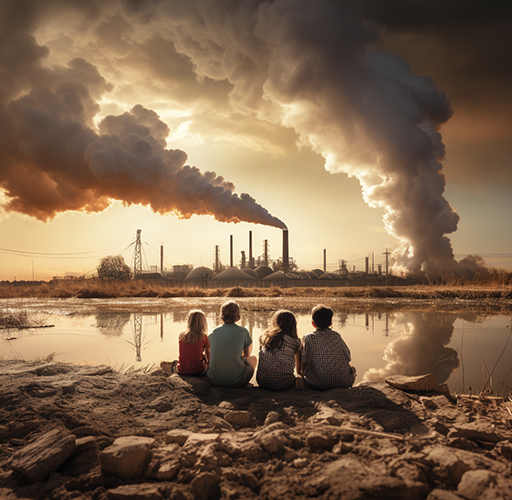
What is climate change mitigation? Climate change mitigation means reducing greenhouse gases from an urban perspective.
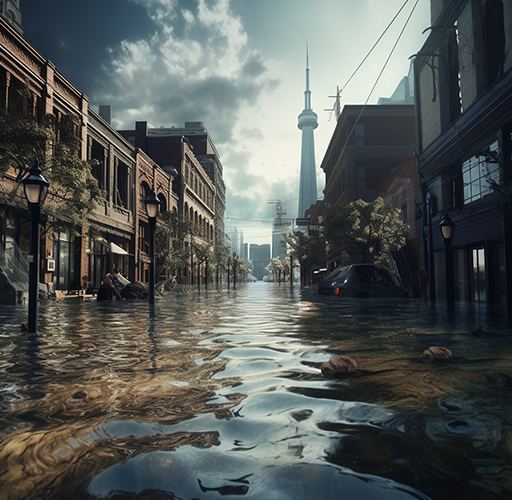
What is climate change adaptation? Climate change adaptation refers to the process of adjusting and preparing for the impacts of climate change to reduce vulnerability and increase resilience.
Stay tuned and get news about urban design career and training opportunities